


“Excellence is a process, not an outcome.”
Experienced
Trustworthy
Environmentalist
Yıldızsan Alüminyum
Future-oriented work
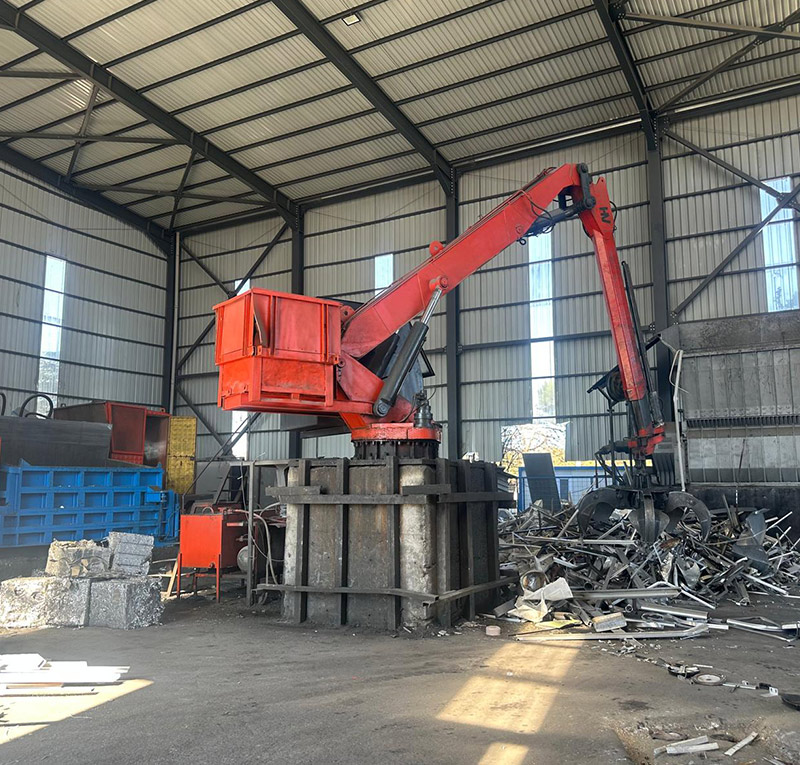
We’ve been in the Recycling business for many years. Much has changed over the years, and we stay current with all developments. As a forward-thinking company, we operate sustainably. We’re always ready to take on a challenge as we take recycling to a higher gear. Backed by our expertise, market-leading position, and broad reach, we operate efficiently and responsibly. This is how we differentiate ourselves from our competitors.
Products & Services
Aluminum scrap contributes to energy savings and the conservation of natural resources through recycling. While aluminum production can require high energy and have environmental impacts, recycling aluminum scrap consumes 95% less energy. This significantly reduces carbon emissions and supports an eco-friendly production process.
When aluminum scrap is recycled, there is no longer a need for ore extraction and processing, which helps preserve natural habitats and protect biodiversity. Additionally, recycled aluminum maintains the same high quality as the original metal and can be turned into new products without harming the environment.
The recycling of aluminum scrap offers both economic and environmental benefits, contributing to a more sustainable future.
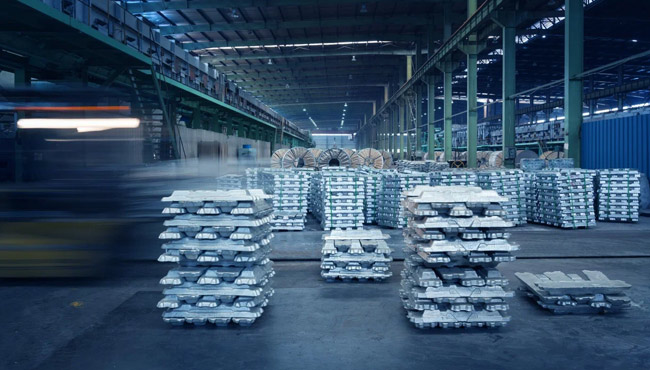
Aluminum ingots are generally classified in the market based on quality, determined by the purity and alloy content of the material. One such classification is the distinction between primary and secondary quality. Primary quality aluminum ingots have higher purity and meet specific standards, making them ideal for industrial applications requiring superior performance. Secondary quality ingots typically have lower purity and are suitable for some industrial applications, offering a more cost-effective solution.
For example, AA6060 and AA6063 alloys are among the most commonly used types of aluminum ingots. Both are considered primary quality and are known for being lightweight, durable, and machinable. AA6060 is often used in the construction and automotive sectors, as well as in the production of structural profiles. AA6063, on the other hand, is preferred in architectural applications and decorative products due to its high surface quality and excellent corrosion resistance.
These alloys contain varying amounts of magnesium and silicon, which enhance the mechanical properties, corrosion resistance, and workability of aluminum. They are typically used in casting, profile production, and various metalworking processes. Both AA6060 and AA6063 are first-class materials suitable for high-performance products.
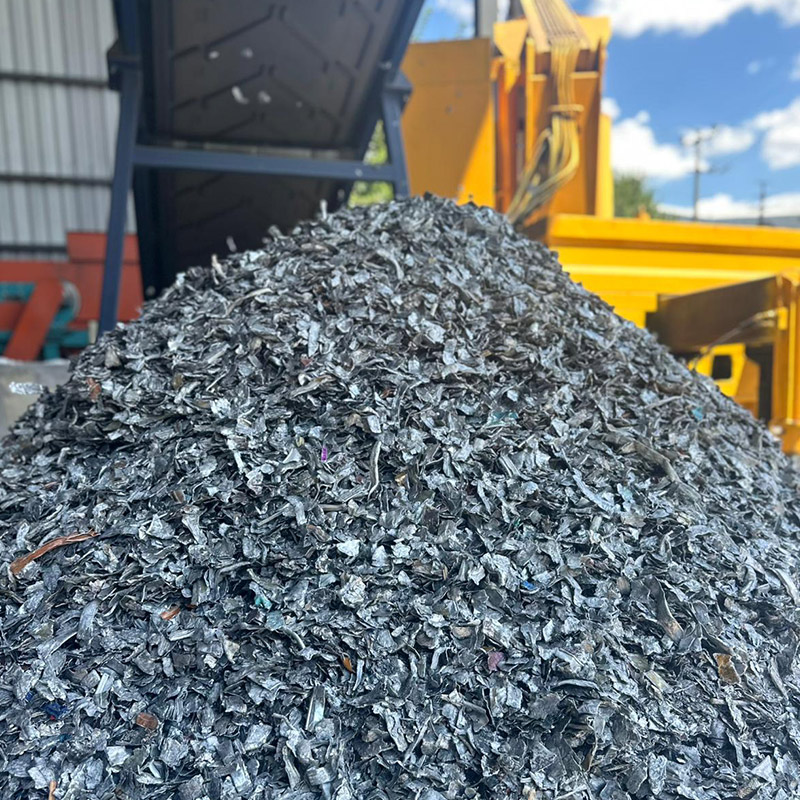
Aluminum chips are fine, brittle particles—often spiral or flat in form—that are produced during the machining of aluminum metal. These chips are generated through turning, milling, drilling, or other mechanical operations. Due to their lightweight and easily machinable nature, aluminum chips are widely used in lightweight metalworking processes. They are also valuable for recycling, as they can be remelted and transformed into new products.
Aluminum chips can be reclaimed as part of industrial production waste, reducing environmental impacts and lowering production costs. Additionally, the size, shape, and metallic properties of aluminum chips make them suitable for various engineering applications. For instance, in the automotive industry, chips can be recycled and reused in the production of lightweight aluminum components.
Aluminum granules are small, rounded or irregularly shaped particles made from processed aluminum metal.
These granules are typically produced during aluminum recycling or processing and are used in various industrial applications. They are an essential raw material in sectors such as automotive, construction, electronics, and packaging, as well as in the production of metal alloys.
Aluminum granules carry the advantages of aluminum’s high durability, lightness, and corrosion resistance, while also being easy to process.
Moreover, aluminum recycling makes a significant environmental contribution by conserving natural resources and saving energy.
Aluminum recycling programs are increasingly important for both environmental and economic reasons today.
Aluminum is widely used across various sectors, from aerospace to beverage cans. Its ability to be recycled repeatedly without degradation is a major advantage. Compared to primary production from bauxite ore, aluminum recycling saves up to 95% in energy.
No matter how many times it’s recycled, aluminum retains its original properties. This makes it one of the rare metals suitable for infinite reuse. As a key component of environmental and economic sustainability, aluminum recycling is essential for our future.
PRODUCTION PROCESS
How Do We Work?
With our precision and technology-oriented production approach, we manage all stages meticulously.
Separation Process
Thanks to our advanced environmentally friendly technologies, we meticulously separate aluminum waste generated during the production process.
Through this highly efficient process, we maximize the potential for reusing aluminum.
In doing so, we contribute to the conservation of natural resources and support the circular economy.
With our eco-friendly approach, we take responsibility for a sustainable future and develop nature-conscious solutions at every step.